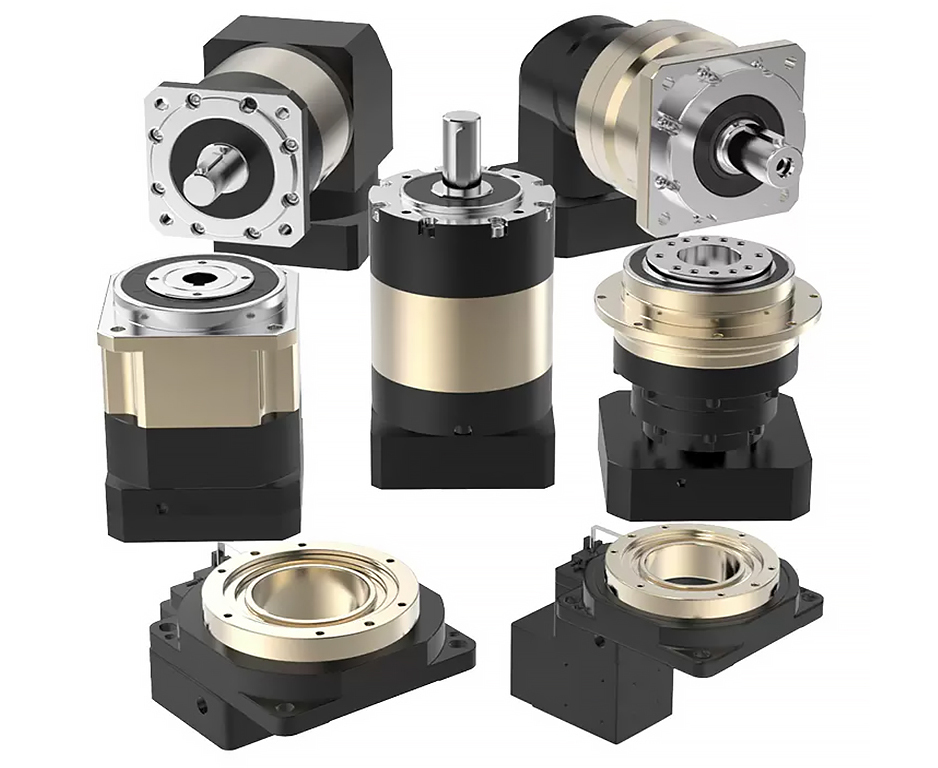
Robot arms have become essential in modern automation—from CNC loading and welding to semiconductor handling, photovoltaic assembly, and logistics. At the heart of every robotic joint is a precision gearbox, which determines accuracy, repeatability, torque density, and long-term stability.
Choosing the wrong gearbox can lead to vibration, positioning errors, backlash accumulation, and reduced robot lifespan. This guide explains how to select the right gearbox for robot arms, based on real industrial applications and modern servo-driven systems.
We also integrate solutions from high-precision servo gearbox manufacturing, including products from FAMED Transmission Technology (Jiangsu) Co., Ltd., a factory specializing in OEM/ODM robotic transmission systems.
1. Why Gearboxes Are Critical in Robot Arms
A robot arm is only as accurate as its weakest mechanical link. The gearbox plays several key roles:
Increases motor torque for joint movement
Reduces speed for precise positioning
Maintains repeatability under load
Minimizes backlash for high-accuracy motion
Ensures smooth motion in multi-axis coordination
In high-end automation, even 0.1 arc-min deviation can affect product quality in semiconductor or CNC applications.
2. Main Types of Gearboxes Used in Robot Arms
2.1 Planetary Gearbox (Most Common for Servo Joints)
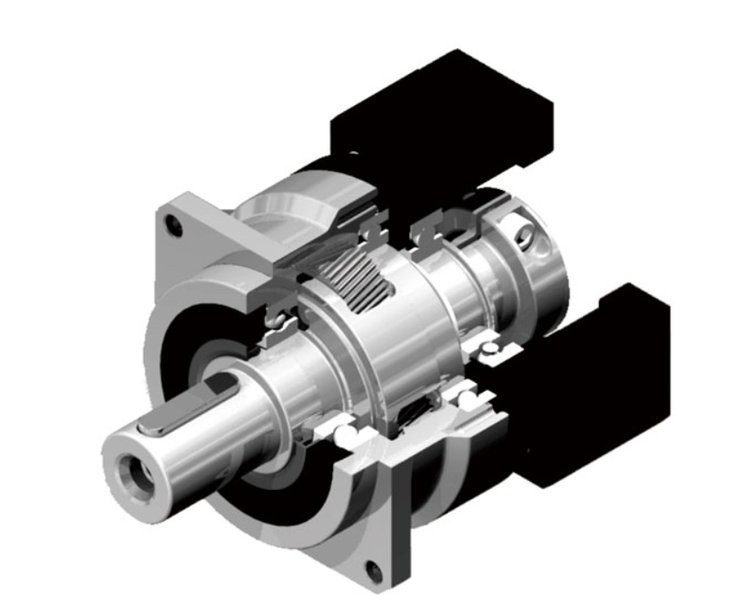
Best for: general robot joints, servo motors, CNC automation, packaging machines
Advantages:
Limitations:
FAMED’s precision planetary gearboxes are widely used in servo-driven robotic arms requiring stable motion and OEM customization.
2.2 Harmonic Drive (Wave Gear Reducer)
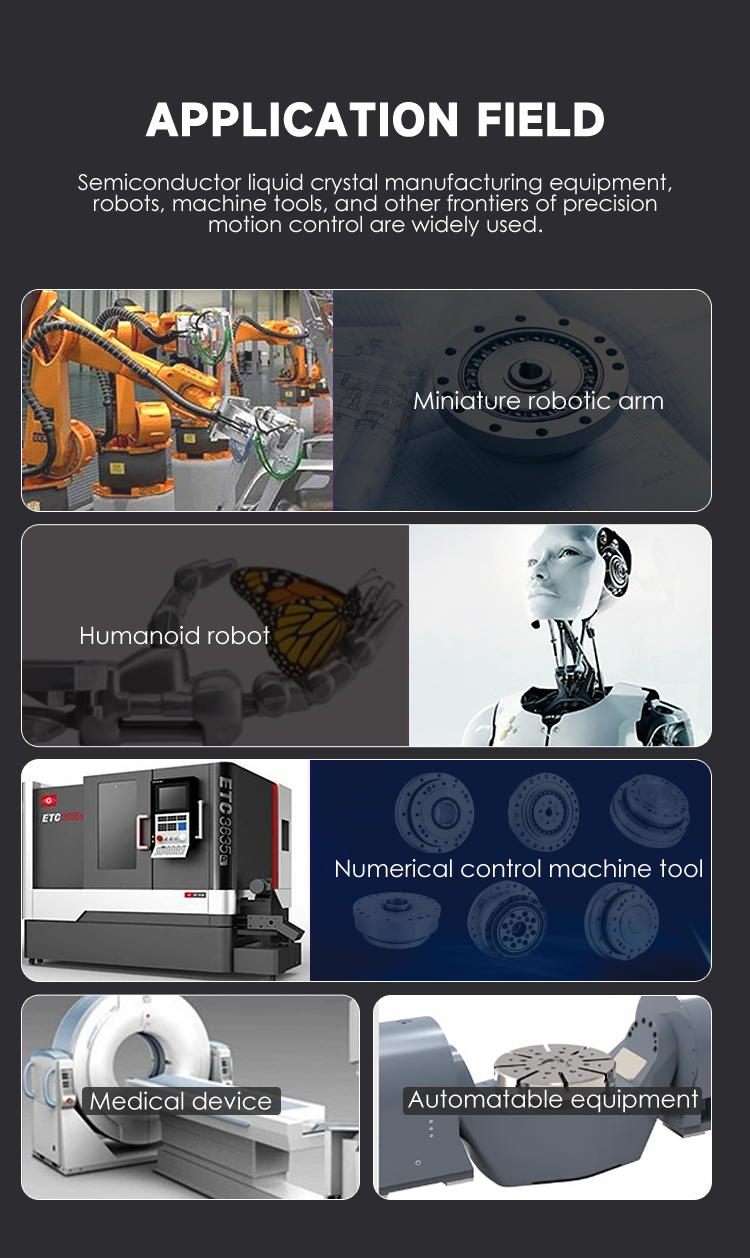
Best for: robot wrist joints, aerospace robotics, surgical robots
Advantages:
Limitations:
2.3 RV Reducer (Cycloidal Gearbox)
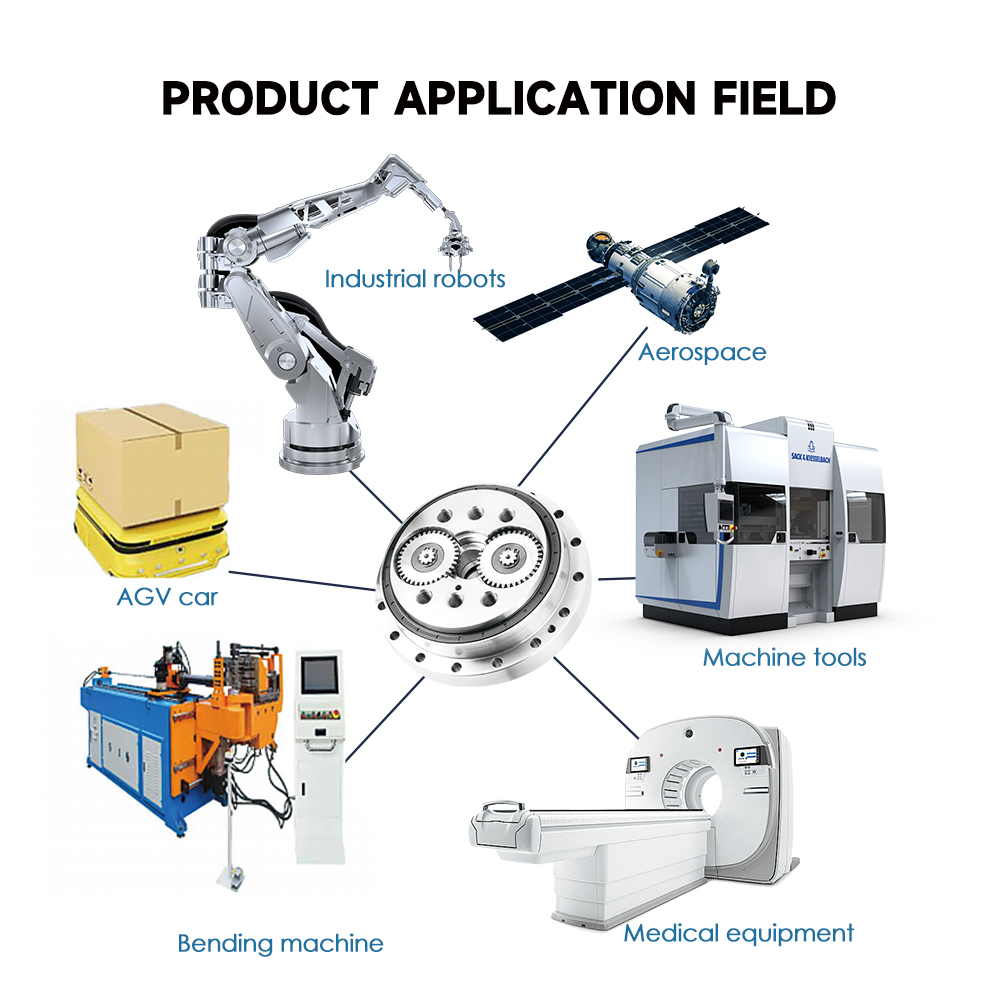
Best for: robot base joints, heavy-duty industrial robots, welding robots, palletizing robots
Advantages:
Limitations:
3. Key Factors When Choosing a Robot Arm Gearbox
3.1 Required Torque
The first step is calculating:
Joint Torque = Load × Arm Length × Acceleration Factor
If torque is underestimated, the gearbox will overheat or fail prematurely.
3.2 Backlash Requirements
High precision assembly / semiconductor: ≤1 arc-min
CNC / automation: 1–5 arc-min
General industrial use: 5–15 arc-min
For ultra-precision, harmonic or high-end planetary gearboxes are preferred.
3.3 Reduction Ratio
Typical ranges:
Higher ratio = better precision but slower response.
3.4 Load Type
Different robot applications require different load handling:
Static load (position holding) → RV reducer
Dynamic load (fast motion) → planetary gearbox
Precision micro-movement → harmonic drive
3.5 Motor Compatibility (Servo Matching)
A gearbox must match:
Servo motor flange size
Input speed range
Encoder feedback system
Mounting structure
OEM flexibility is critical for system integration.
4. Common Applications in Robotics
Industrial Robot Arms
Welding robots
Assembly robots
Material handling robots
CNC & Machine Tools
Semiconductor & Photovoltaic Equipment
Logistics & Packaging Robots
5. How OEM/ODM Gearbox Customization Improves Robot Performance
Modern automation systems rarely use standard gearboxes alone. Instead, OEM customization ensures:
Optimized gear ratio for specific motion profiles
Improved backlash control
Custom housing for space constraints
Better thermal stability
Longer lifespan under continuous operation
Manufacturers like FAMED Transmission Technology (Jiangsu) Co., Ltd. provide ODM engineering support for robot builders who need application-specific solutions.
6. Practical Selection Guide (Quick Summary)
| Application | Recommended Gearbox |
| Robot base joint | RV reducer |
| General arm joint | Planetary gearbox |
| Wrist / precision axis | Harmonic drive |
| High-speed automation | Planetary gearbox |
| Ultra-high precision | Harmonic drive |
7. Final Thoughts
Choosing the right gearbox for robot arms is not just a mechanical decision—it directly affects system precision, efficiency, and long-term reliability.
A well-matched gearbox ensures:
Higher positioning accuracy
Lower maintenance cost
Longer robot lifespan
Better production consistency
Fenghua Transmission Technology (Jiangsu) Co., Ltd. For OEM manufacturers and automation integrators, working with a reliable precision gearbox supplier is key to building competitive robotic systems.
At 3F Gearbox, we are proud to support global manufacturers with high-precision gearbox solutions for robotics, automation, CNC machinery and smart factories.



 English
 Russian
 Spanish
 Italian
 Arabic
 Korean
 German
 Japanese
 Vietnamese
 Turkish